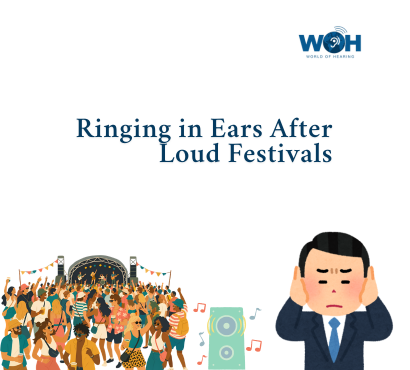
Festivals, concerts, weddings, and public celebrations are an important part of social life. Loud music, firecrackers, DJ sound systems, and crowded environments often create an energetic atmosphere.
However, after attending such events, many people notice a strange ringing or buzzing sound in the ears. This condition is commonly known as tinnitus.
In many cases, this ringing is temporary and fades after some time. But in some situations, it can be an early warning sign of noise-induced hearing damage.
Understanding these signs early is important to protect long-term hearing health.
What Is Tinnitus?
Tinnitus is the perception of sound in the ears without any external source.
People often describe it as:
- Ringing sound
- Buzzing noise
- Hissing sensation
- Whistling sound
- Pulsing noise
It can occur in one or both ears and may last for a few minutes or longer depending on the cause.
Why Ringing Happens After Loud Festivals
Exposure to high-decibel sound levels during festivals or concerts can temporarily affect the inner ear.
This happens because:
- Hair cells in the inner ear get overstimulated
- Temporary hearing fatigue occurs
- Sound processing becomes disrupted
- Ear sensitivity increases
In many cases, this condition is temporary. However, repeated exposure can lead to long-term damage.
Common Symptoms After Loud Noise Exposure
After attending loud events, you may notice:
- Ringing or buzzing in ears
- Muffled hearing sensation
- Difficulty understanding speech
- Ear fullness or pressure
- Sensitivity to normal sounds
- Temporary sound distortion
These symptoms should not be ignored if they persist.
Temporary vs Persistent Tinnitus
Temporary Tinnitus
- Lasts a few hours to a day
- Often improves with rest
- Caused by short-term noise exposure
Persistent Tinnitus
- Lasts longer than a few days
- May indicate hearing damage
- Requires medical evaluation
If ringing continues, it should be taken seriously.
How Loud Noise Affects Hearing
High-volume sound exposure can affect the ear in several ways:
- Damage to delicate inner ear cells
- Reduced sound clarity
- Hearing sensitivity changes
- Difficulty filtering background noise
Repeated exposure increases risk of permanent hearing loss.
Who Is at Higher Risk?
Certain individuals are more prone to noise-related hearing issues:
- People attending frequent concerts or festivals
- DJs and sound technicians
- Workers in noisy environments
- Individuals using headphones at high volume
- People exposed to fireworks regularly
Awareness and protection are important for these groups.
When Ringing in Ears Becomes a Warning Sign
You should not ignore tinnitus if:
- Ringing lasts more than 24–48 hours
- Hearing feels muffled or reduced
- Symptoms occur repeatedly after noise exposure
- You feel pressure or pain in ears
- Sound sensitivity increases
These may indicate early hearing damage.
Emotional Impact of Tinnitus
Persistent ringing can affect mental wellbeing:
- Difficulty concentrating
- Sleep disturbances
- Anxiety or stress
- Irritation in quiet environments
- Reduced focus during work
Early care helps reduce long-term discomfort.
Importance of Early Hearing Check
A hearing evaluation can help identify:
- Degree of hearing damage
- Presence of noise-induced hearing loss
- Inner ear sensitivity
- Need for protective measures
Many individuals benefit from consulting an Audiologist in Pune for proper assessment and hearing protection guidance.
Modern Hearing Care Approach
Today’s hearing care focuses on prevention, early detection, and sound protection.
People often explore services like a Hearing Aid Clinic in Pune to understand hearing tests, tinnitus management, and long-term hearing solutions.
How to Protect Your Ears at Loud Events
Simple precautions can reduce risk of hearing damage:
- Keep distance from loud speakers
- Take regular breaks from noise
- Use earplugs in high-volume areas
- Avoid standing near DJ systems
- Limit exposure duration
Small steps can significantly protect hearing health.
Can Tinnitus Go Away?
Yes, temporary tinnitus often improves with rest and reduced noise exposure.
However, persistent tinnitus may require:
- Hearing evaluation
- Sound therapy
- Lifestyle adjustments
- Medical guidance
Early action improves outcomes.
Why Ignoring Ear Ringing Is Risky
Ignoring repeated tinnitus episodes may lead to:
- Permanent hearing damage
- Reduced speech clarity
- Long-term sound sensitivity
- Communication difficulties
Early intervention is always safer.
Lifestyle Habits That Support Ear Health
Healthy habits can support long-term hearing protection:
- Avoid excessive headphone volume
- Follow the 60-60 rule for earphones
- Protect ears during loud events
- Maintain overall health
- Schedule regular hearing checks
Conclusion
Ringing in ears after loud festivals is often an early warning sign that your ears have been exposed to excessive noise. While temporary tinnitus may resolve on its own, repeated or persistent symptoms should never be ignored.
Protecting your hearing early, adopting safe listening habits, and seeking timely evaluation can help prevent long-term hearing damage and maintain better communication health.
FAQs
1. Is ringing in ears after festivals normal?
Yes, temporary ringing is common after loud noise exposure, but it should not persist for long.
2. Can loud music cause permanent hearing loss?
Yes, repeated exposure to high noise levels can damage inner ear cells permanently.
3. When should I see a doctor for tinnitus?
If ringing lasts more than 1–2 days or keeps recurring, a hearing evaluation is recommended.