
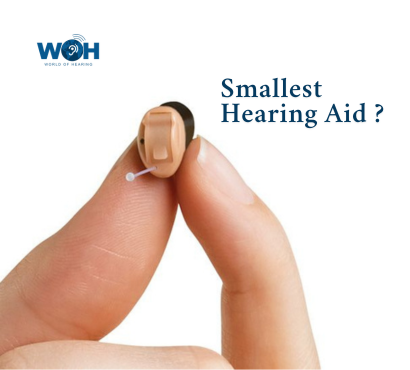
Hearing difficulties often develop gradually, making them easy to ignore in the beginning. Many people initially increase television volume, avoid crowded conversations, or frequently ask others to repeat themselves without realising that these changes may indicate hearing loss.
While hearing support devices can significantly improve communication and listening comfort, many individuals hesitate to use hearing aids because of concerns about visibility, comfort, or social confidence.
This is one reason why the demand for smaller and more discreet hearing aids has increased rapidly in recent years.
Modern hearing technology has evolved far beyond the bulky devices people commonly imagine. Today, some hearing aids are designed to be extremely compact, lightweight, and nearly invisible when worn properly.
The smallest hearing aids are now capable of offering:
- Clear sound processing
- Comfortable fitting
- Smart technology integration
- Wireless connectivity
- Improved speech understanding
- Discreet appearance
For many users, these advanced compact hearing devices provide better confidence and convenience during work, social interaction, travel, and daily communication.
However, selecting the right hearing aid is not simply about choosing the smallest device available. Proper hearing evaluation, ear anatomy, hearing loss severity, and lifestyle requirements all play an important role in determining the most suitable hearing solution.
This detailed guide explains the smallest hearing aid options, how invisible hearing technology works, benefits, limitations, hearing health awareness, and important factors to consider before choosing a compact hearing aid.
What Is the Smallest Hearing Aid?
The smallest hearing aids are designed to fit discreetly inside or behind the ear while remaining minimally visible.
These devices are developed to provide hearing support without attracting significant attention during daily use.
Modern compact hearing aids may include:
- Digital sound processing
- Noise reduction technology
- Speech clarity enhancement
- Wireless features
- Rechargeable options
- Smartphone compatibility
Despite their small size, many devices now offer impressive sound quality and smart functionality.
Why People Prefer Smaller Hearing Aids
Many individuals delay hearing aid use because they worry about appearance or social perception.
Smaller hearing aids may help users feel:
- More confident socially
- Comfortable during conversations
- Less self-conscious
- More willing to seek early hearing support
Discreet designs have helped improve acceptance of hearing technology across different age groups.
Common Types of Small Hearing Aids
Several compact hearing aid styles are available today.
Completely-in-Canal (CIC) Hearing Aids
These fit deep inside the ear canal and remain less visible externally.
Invisible-in-Canal (IIC) Hearing Aids
These are among the most discreet hearing devices available.
Receiver-in-Canal (RIC) Hearing Aids
RIC models are lightweight and place part of the device behind the ear with a thin wire connection.
Modern RIC devices are often highly discreet despite offering advanced features.
Benefits of Small Hearing Aids
1. Discreet Appearance
One of the biggest advantages is reduced visibility during daily use.
2. Lightweight Comfort
Compact devices often feel lighter and more comfortable for long hours of use.
3. Improved Confidence
Some users feel more comfortable interacting socially with less noticeable devices.
4. Advanced Technology
Modern mini hearing aids may include:
- Bluetooth connectivity
- Noise management
- Smartphone apps
- Rechargeable batteries
5. Better Everyday Convenience
Compact hearing devices may support easier integration into professional and social life.
Are Small Hearing Aids Suitable for Everyone?
Not always.
Suitability depends on:
- Hearing loss severity
- Ear canal size
- Dexterity
- Lifestyle needs
- Sound amplification requirements
Some individuals may benefit more from larger devices that provide stronger amplification or additional features.
Why Hearing Evaluation Is Important Before Choosing a Device
Many people choose hearing aids based only on appearance, but professional hearing assessment is extremely important.
Hearing testing helps determine:
- Degree of hearing loss
- Speech understanding ability
- Suitable amplification level
- Device compatibility
- Ear anatomy considerations
Professional guidance supports better long-term hearing outcomes.
Signs You Should Not Ignore
Hearing difficulties often progress slowly.
Common warning signs include:
- Asking people to repeat frequently
- Difficulty hearing in crowded places
- Turning TV volume higher than others prefer
- Missing phone conversations
- Struggling with soft voices
- Feeling mentally tired after conversations
Early hearing evaluation may help improve communication support.
Why Untreated Hearing Loss Can Affect Daily Life
Hearing difficulties may gradually affect:
- Workplace communication
- Family interaction
- Social participation
- Emotional wellbeing
- Listening confidence
Some individuals begin avoiding gatherings because hearing becomes stressful and exhausting.
Comfort Matters as Much as Technology
The smallest hearing aid may not always be the best option if comfort is poor.
Comfort depends on:
- Ear shape
- Device fitting
- Weight distribution
- Ventilation
- Daily wearing duration
Proper fitting plays a major role in user satisfaction.
Individuals trying to understand hearing wellness and modern hearing support options often explore educational guidance related to Speech & Hearing Aid Care to learn more about hearing protection, hearing aid adaptation, and communication-focused hearing support strategies.
Modern Features in Small Hearing Aids
Today’s compact hearing aids are far more advanced than older hearing devices.
Features may include:
- Automatic sound adjustment
- Noise filtering
- Directional microphones
- Bluetooth streaming
- Rechargeable charging systems
- App-based controls
Technology selection depends on individual hearing and lifestyle needs.
Invisible Hearing Aids and Social Confidence
Many younger adults and working professionals prefer discreet hearing aids because they blend naturally into daily life.
People often feel more confident during:
- Meetings
- Social gatherings
- Travel
- Workplace communication
- Video calls
Modern hearing technology increasingly focuses on comfort and natural communication experiences.
Common Misconceptions About Hearing Aids
Several myths still prevent people from seeking hearing support.
“Hearing aids are only for elderly people”
Hearing loss may affect adults of different age groups.
“Small hearing aids are weak”
Modern compact devices may still provide advanced digital hearing support.
“Hearing aids are uncomfortable”
Properly fitted devices are often significantly more comfortable than many people expect.
Emotional Impact of Hearing Problems
Many individuals silently struggle with hearing difficulties for years.
Common emotional effects include:
- Reduced confidence
- Social withdrawal
- Frustration during conversations
- Feeling isolated
- Communication stress
Early hearing support may help improve communication comfort and social interaction.
Rechargeable Options in Small Hearing Aids
Many compact hearing devices now include rechargeable technology.
Rechargeable devices may reduce:
- Battery replacement difficulty
- Daily maintenance stress
- Handling challenges for elderly users
Charging systems are designed for convenient overnight use.
Importance of Professional Hearing Aid Fitting
Even the most advanced hearing device may not function effectively without proper programming and fitting.
Professional fitting helps optimise:
- Speech clarity
- Listening comfort
- Noise management
- Volume adjustment
- Ear comfort
Long-term follow-up support is equally important.
Why Self-Diagnosis Is Not Enough
Some individuals assume hearing problems are simply due to ageing and delay evaluation.
However, hearing difficulties may occur due to:
- Noise exposure
- Earwax blockage
- Ear infections
- Age-related hearing changes
- Medical conditions
Proper hearing assessment helps identify the underlying issue accurately.
Lifestyle Habits That Support Better Hearing Health
Although not every hearing condition is preventable, healthy habits may support hearing wellness.
Helpful measures include:
- Avoiding prolonged loud noise exposure
- Using ear protection when necessary
- Managing chronic health conditions
- Seeking early hearing evaluation
- Avoiding unsafe ear cleaning methods
Consistency supports long-term hearing health.
Importance of Specialist Consultation
Successful hearing aid selection depends on:
- Accurate hearing testing
- Lifestyle assessment
- Device fitting
- Communication needs
- Long-term hearing support
Individuals seeking personalised hearing evaluation often explore guidance from an Audiologist in Pune to better understand hearing loss patterns, hearing aid suitability, and customised listening support planning.
Understanding Modern Hearing Aid Clinics
Modern hearing care today focuses not only on hearing amplification but also on improving communication quality, comfort, confidence, and long-term hearing wellness.
People researching advanced hearing solutions often explore information regarding a Hearing Aid Clinic in Pune while learning about invisible hearing aids, digital hearing technology, and personalised hearing support options.
How to Choose the Right Small Hearing Aid
Choosing the right hearing aid involves balancing:
- Hearing needs
- Comfort
- Technology
- Lifestyle habits
- Device maintenance
- Budget considerations
There is no single hearing aid suitable for every person.
Professional evaluation helps identify the most appropriate option.
Modern Awareness Around Hearing Health
Awareness regarding hearing wellness has improved significantly in recent years. More individuals now understand the importance of early hearing support, communication-focused rehabilitation, and modern hearing technology instead of delaying care due to stigma or misconceptions.
Modern hearing care increasingly focuses on:
- Personalised hearing solutions
- Early intervention
- Smart hearing technology
- Communication comfort
- Long-term hearing wellness
The smallest hearing aids have transformed the way people approach hearing support by offering discreet designs, advanced technology, improved comfort, and greater confidence during daily communication.
However, the best hearing aid is not simply the smallest one — it is the device that properly matches the user’s hearing condition, lifestyle needs, comfort preferences, and communication goals.
Instead of ignoring hearing difficulties or delaying evaluation due to appearance concerns, individuals should prioritise proper hearing assessment and personalised hearing care before communication challenges begin affecting overall quality of life.
FAQs
1. Are small hearing aids effective for hearing loss?
Yes. Many modern compact hearing aids provide advanced digital sound processing and speech support for suitable hearing conditions.
2. Are invisible hearing aids comfortable?
Comfort depends on ear shape, fitting quality, and device selection. Properly fitted devices are often comfortable for daily use.
3. Can small hearing aids connect to smartphones?
Many modern compact hearing aids support Bluetooth connectivity and smartphone-based controls depending on the device model.