
Hearing difficulties can gradually affect communication, relationships, work performance, and emotional wellbeing without people fully realising how much daily life is changing. Many individuals initially ignore hearing problems because the symptoms often develop slowly over time.
Simple situations such as struggling to follow conversations in crowded places, increasing television volume, or frequently asking others to repeat themselves may seem minor at first. However, these changes may indicate developing hearing loss.
Despite recognising hearing challenges, many people delay hearing aid use because of concerns about appearance, comfort, or social confidence.
This is why invisible and ultra-compact hearing aids have become increasingly popular.
Modern hearing technology has transformed dramatically in recent years. Today’s smallest hearing aids are designed to provide advanced hearing support while remaining highly discreet and comfortable during daily use.
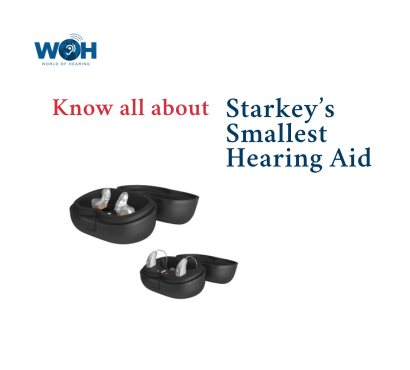
Among the popular names in compact hearing technology, Starkey’s smallest hearing aid is widely discussed for its tiny size, smart sound processing, and lifestyle-focused design.
Modern invisible hearing devices now focus not only on amplifying sound but also on improving communication comfort, listening clarity, and user confidence in everyday situations.
This detailed guide explains Starkey’s smallest hearing aid, invisible hearing technology, modern hearing support features, hearing awareness, and important factors to consider before choosing compact hearing devices.
Understanding Hearing Loss in Daily Life
Hearing loss does not always occur suddenly.
For many individuals, the changes happen gradually over several years.
Common situations people notice include:
- Difficulty hearing soft voices
- Struggling during group conversations
- Missing words during phone calls
- Turning TV volume higher
- Feeling mentally tired after conversations
Many people adapt to these changes slowly without recognising how much hearing ability has reduced.
Why People Prefer Invisible Hearing Aids
One of the biggest reasons people delay hearing support is concern about visibility.
Some individuals worry that hearing aids may:
- Look bulky
- Feel uncomfortable
- Affect confidence
- Draw social attention
Modern invisible hearing aids help address many of these concerns through discreet compact designs.
What Is Starkey’s Smallest Hearing Aid?
Starkey’s smallest hearing aid refers to ultra-compact hearing devices designed to fit discreetly inside the ear canal while supporting digital hearing enhancement.
These devices are created to provide:
- Less visible hearing support
- Comfortable daily wear
- Improved speech clarity
- Smart digital sound processing
- Personalised fitting options
Modern invisible hearing devices are far more advanced than earlier hearing technologies.
Features Commonly Associated with Small Hearing Aids
Compact hearing aids today may include several modern features despite their small size.
Digital Sound Processing
Advanced sound processing helps improve speech understanding in different environments.
Noise Reduction Technology
Modern hearing devices may help reduce background noise during conversations.
Comfortable Custom Fitting
Many invisible hearing aids are customised according to ear shape for better comfort and stability.
Discreet Appearance
One of the major benefits is reduced visibility during everyday use.
Smart Connectivity Features
Some modern compact hearing devices may support smartphone integration and digital controls depending on the model.
Why Proper Hearing Evaluation Matters
Choosing a hearing aid based only on appearance is not always ideal.
Proper hearing assessment helps determine:
- Degree of hearing loss
- Suitable amplification level
- Ear canal size
- Listening needs
- Device compatibility
Professional evaluation helps identify the most suitable hearing solution.
Common Signs That Should Not Be Ignored
Many individuals continue delaying hearing assessment even after symptoms begin affecting communication.
Important warning signs include:
- Frequently asking people to repeat
- Difficulty hearing in noisy places
- Increasing television volume
- Missing parts of conversations
- Feeling socially withdrawn
Early hearing evaluation may support better communication outcomes.
Emotional Impact of Hearing Difficulties
Hearing problems often affect emotional health more than people expect.
Some individuals experience:
- Reduced social confidence
- Frustration during communication
- Relationship stress
- Social withdrawal
- Listening fatigue
Untreated hearing loss may gradually reduce overall quality of life.
Invisible Hearing Aids and Daily Confidence
Discreet hearing devices may help users feel more comfortable during:
- Workplace meetings
- Family gatherings
- Social interaction
- Public speaking
- Travel
For many users, reduced visibility supports greater confidence during communication.
Are Small Hearing Aids Suitable for Everyone?
Not always.
Suitability depends on several factors including:
- Severity of hearing loss
- Ear anatomy
- Dexterity
- Lifestyle needs
- Listening environments
In some cases, larger hearing devices may provide stronger amplification or additional features.
Individuals trying to understand hearing wellness and modern hearing support options often explore educational guidance related to Speech & Hearing Aid Care to learn more about hearing loss awareness, hearing aid adaptation, and communication-focused hearing care strategies.
Modern Hearing Technology Has Changed Significantly
Older hearing aids often amplified all sounds equally, which sometimes created uncomfortable listening experiences.
Modern hearing devices increasingly focus on:
- Speech clarity enhancement
- Noise filtering
- Directional hearing support
- Environmental sound adjustment
- Personalised listening comfort
Technology today is designed to support more natural communication experiences.
Importance of Comfort in Hearing Aid Use
Comfort plays an important role in hearing aid adaptation.
A hearing device that feels uncomfortable may reduce long-term usage consistency.
Proper fitting helps improve:
- Ear comfort
- Device stability
- Sound quality
- Daily usability
Professional adjustments are often important during the adaptation process.
Why Professional Hearing Aid Fitting Is Important
Even advanced hearing aids require proper programming and fitting.
Professional fitting helps optimise:
- Speech understanding
- Volume balance
- Noise management
- Listening comfort
- Device positioning
Regular follow-up support may improve long-term hearing satisfaction.
Common Myths About Invisible Hearing Aids
“Smaller hearing aids are less powerful”
Modern compact hearing devices may still provide advanced digital sound support depending on hearing needs.
“Only older adults need hearing aids”
Hearing problems may affect adults of different age groups.
“Hearing aids restore normal hearing completely”
Hearing aids support hearing improvement but do not “cure” hearing loss.
Rechargeable Technology in Modern Hearing Devices
Some compact hearing devices now include rechargeable options for improved convenience.
Rechargeable hearing aids may reduce:
- Frequent battery handling
- Battery replacement stress
- Maintenance difficulty
This may be especially helpful for elderly users.
Lifestyle Habits That Support Better Hearing Health
Although not all hearing conditions are preventable, certain habits may support long-term hearing wellness.
Helpful measures include:
- Avoiding prolonged loud noise exposure
- Using hearing protection in noisy environments
- Managing chronic health conditions
- Avoiding unsafe ear cleaning practices
- Seeking early hearing evaluation
Long-term hearing care remains important.
Why Self-Diagnosis Is Not Enough
Many individuals assume hearing changes are simply due to ageing and continue delaying assessment.
However, hearing difficulties may sometimes occur due to:
- Wax blockage
- Ear infections
- Noise-related damage
- Nerve-related hearing changes
- Medical conditions
Proper evaluation helps identify the underlying issue accurately.
Importance of Specialist Consultation
Successful hearing aid selection depends on:
- Accurate hearing testing
- Lifestyle assessment
- Device fitting
- Communication goals
- Long-term follow-up care
Individuals seeking personalised hearing assessment often explore guidance from an Audiologist in Pune to better understand hearing loss patterns, hearing aid suitability, and customised listening support planning.
Understanding Modern Hearing Care Clinics
Modern hearing care today focuses on communication comfort, hearing rehabilitation, smart hearing technology, and long-term hearing wellness instead of simple sound amplification alone.
People researching advanced hearing support often explore information regarding a Hearing Aid Clinic in Pune while learning about invisible hearing aids, digital hearing technology, and personalised hearing solutions.
How to Choose the Right Hearing Aid
Choosing the right hearing device depends on balancing:
- Comfort
- Technology features
- Listening needs
- Lifestyle compatibility
- Ease of handling
- Budget planning
There is no single hearing aid ideal for everyone.
Professional evaluation helps guide suitable selection.
Modern Awareness Around Hearing Health
Awareness regarding hearing wellness has improved significantly in recent years. More individuals now understand the importance of early hearing support, communication-focused rehabilitation, and modern hearing technology instead of delaying care due to appearance concerns or misconceptions.
Modern hearing care increasingly focuses on:
- Personalised hearing solutions
- Smart hearing technology
- Communication confidence
- Listening comfort
- Long-term hearing wellness
Starkey’s smallest hearing aid reflects how modern hearing technology has evolved toward discreet, comfortable, and communication-focused hearing support solutions. Compact hearing devices today are designed to support speech clarity, daily comfort, and social confidence while remaining minimally visible during use.
However, the best hearing aid is not determined only by size. Proper hearing evaluation, personalised fitting, hearing needs assessment, and professional guidance remain essential for long-term satisfaction and effective communication support.
Instead of ignoring hearing difficulties or delaying care because of appearance concerns, individuals should prioritise professional hearing assessment and personalised hearing care before communication challenges begin affecting daily life.
FAQs
1. Are invisible hearing aids comfortable for daily use?
Properly fitted invisible hearing aids are often designed for comfortable long-hour daily use depending on ear anatomy and device suitability.
2. Can small hearing aids provide good sound clarity?
Yes. Many modern compact hearing devices include advanced digital sound processing and speech enhancement features.
3. Do invisible hearing aids work for severe hearing loss?
Suitability depends on the severity of hearing loss and individual hearing needs. Professional hearing evaluation helps determine the appropriate device type.