
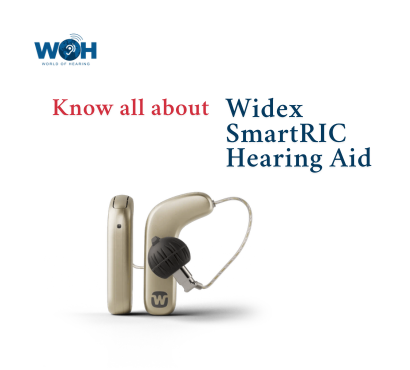
Hearing difficulties can affect communication, relationships, workplace confidence, and emotional wellbeing more than many people realise. In the early stages, hearing changes are often subtle. Some individuals increase television volume slightly, struggle during group conversations, or frequently ask people to repeat themselves without understanding that hearing ability may gradually be changing.
As hearing challenges progress, social interaction may become tiring and frustrating.
Fortunately, hearing technology has improved significantly in recent years. Modern hearing devices are now smarter, smaller, more comfortable, and designed to support natural listening experiences.
Among the newer advanced hearing solutions gaining attention today is the Widex SmartRIC hearing aid.
The Widex SmartRIC hearing aid is designed with a focus on:
- Smart sound processing
- Rechargeable convenience
- Improved speech clarity
- Comfortable wearing experience
- Modern connectivity features
- Lifestyle-friendly hearing support
Unlike older hearing devices that many people associate with bulky designs and artificial sound, modern digital hearing aids increasingly focus on providing more natural hearing support in different listening environments.
For individuals researching advanced hearing solutions, understanding the features, benefits, suitability, and hearing care process is important before choosing a device.
This detailed guide explains the Widex SmartRIC hearing aid, its technology, comfort features, rechargeable support, hearing awareness, and the importance of professional hearing evaluation.
Understanding Modern Hearing Loss
Hearing loss may occur gradually over time or develop due to multiple factors such as:
- Age-related hearing decline
- Noise exposure
- Ear infections
- Medical conditions
- Long-term loud sound exposure
Many individuals delay hearing evaluation because symptoms often progress slowly.
Common Signs of Hearing Difficulty
Some warning signs include:
- Difficulty understanding speech clearly
- Asking people to repeat often
- Increasing TV volume
- Trouble hearing in noisy environments
- Listening fatigue after conversations
- Difficulty during phone calls
Early hearing assessment may help improve communication support and listening comfort.
What Is the Widex SmartRIC Hearing Aid?
The Widex SmartRIC hearing aid is a modern receiver-in-canal (RIC) style hearing device designed to provide advanced sound processing with rechargeable convenience and compact comfort.
RIC hearing aids place the speaker component inside the ear canal while the main body rests discreetly behind the ear using a thin wire connection.
This design supports:
- Lightweight comfort
- Better sound delivery
- Discreet appearance
- Reduced ear blockage sensation
Why RIC Hearing Aids Are Popular
Receiver-in-canal hearing aids are commonly preferred because they often provide a balance between:
- Sound quality
- Comfort
- Technology integration
- Cosmetic appearance
- Speech clarity
Many users find RIC devices easier to adapt to during daily communication.
Key Features Associated with Widex SmartRIC Hearing Aid
Modern hearing devices increasingly focus on both hearing support and listening comfort.
Rechargeable Technology
Rechargeable functionality helps reduce the need for frequent battery replacement.
Users generally place the hearing aid into a charging unit overnight for next-day use.
Smart Sound Processing
Advanced sound technology may help improve speech understanding while reducing unwanted background noise.
Wireless Connectivity
Many modern hearing devices support smartphone and Bluetooth connectivity for:
- Audio streaming
- Calls
- Volume adjustment
- App-based controls
Lightweight Design
Comfort remains an important factor for daily hearing aid use.
Compact lightweight designs may support longer wearing comfort.
Improved Speech Clarity
Speech-focused processing helps users understand conversations more comfortably in different listening situations.
Importance of Proper Hearing Aid Selection
Not every hearing aid suits every individual.
Device selection depends on:
- Degree of hearing loss
- Lifestyle needs
- Daily listening environments
- Ear anatomy
- Comfort preferences
- Technology requirements
Professional hearing evaluation helps identify suitable hearing solutions.
Why Modern Hearing Technology Matters
Older hearing aids often amplified all sounds equally, making noisy environments uncomfortable.
Modern digital hearing aids increasingly focus on:
- Speech prioritisation
- Noise filtering
- Directional microphones
- Listening comfort
- Environmental sound adaptation
This helps create a more natural listening experience.
Signs You Should Not Ignore
Many people continue delaying hearing assessment even after noticing repeated communication difficulty.
Common signs that deserve attention include:
- Missing words during conversations
- Difficulty hearing soft voices
- Struggling in crowded places
- Frequently misunderstanding speech
- Avoiding social interaction due to listening difficulty
Ignoring symptoms may gradually affect quality of life.
Why Untreated Hearing Loss Can Affect Emotional Health
Hearing problems may influence emotional wellbeing significantly.
People experiencing communication difficulty often report:
- Social withdrawal
- Frustration
- Reduced confidence
- Mental fatigue during conversations
- Relationship stress
Early hearing support may improve communication comfort and social participation.
Individuals trying to understand hearing wellness and modern hearing support options often explore educational guidance related to Speech & Hearing Aid Care to learn more about hearing aid adaptation, hearing protection, and communication-focused hearing care strategies.
Rechargeable Hearing Aids and Daily Convenience
Rechargeable hearing devices have become increasingly popular because they reduce daily maintenance stress.
Benefits may include:
- Easier handling
- Reduced battery replacement
- Better convenience for elderly users
- Simplified charging routine
This can improve long-term hearing aid usage consistency.
Comfort and Adaptation in Hearing Aid Use
Even advanced hearing devices require an adjustment period.
Initial adaptation may involve:
- Learning new sound patterns
- Adjusting to amplified environmental sounds
- Wearing the device consistently
- Fine-tuning settings gradually
Patience and professional follow-up support are important during this stage.
Importance of Professional Hearing Aid Fitting
Proper fitting plays a major role in hearing aid performance.
Professional programming helps optimise:
- Speech clarity
- Listening comfort
- Volume balance
- Noise management
- Device positioning
Improper fitting may reduce satisfaction even with premium devices.
Common Myths About Hearing Aids
“Hearing aids are only for elderly people”
Hearing difficulties may affect adults of different age groups.
“Small hearing devices are weak”
Modern compact hearing aids may still provide advanced digital sound processing.
“Hearing aids restore hearing completely”
Hearing aids support hearing and communication but do not “cure” hearing loss.
Smart Features in Modern Hearing Devices
Today’s premium hearing devices increasingly include smart technology such as:
- Bluetooth connectivity
- Smartphone apps
- Automatic environment adjustment
- Rechargeable charging systems
- Wireless streaming
Technology selection depends on individual hearing goals and daily lifestyle.
Lifestyle Habits That Support Better Hearing Health
Although not every hearing problem is preventable, healthy habits may support hearing wellness.
Helpful measures include:
- Avoiding prolonged loud sound exposure
- Using ear protection when necessary
- Managing chronic medical conditions
- Seeking early hearing evaluation
- Avoiding unsafe ear cleaning methods
Long-term hearing care remains important.
Why Self-Diagnosis Is Not Enough
Many individuals assume hearing changes are simply due to ageing and continue delaying evaluation.
However, hearing difficulties may sometimes involve:
- Wax blockage
- Ear infections
- Nerve-related hearing decline
- Medical conditions
- Noise-induced hearing changes
Proper hearing assessment helps identify the underlying cause accurately.
Importance of Specialist Consultation
Successful hearing aid selection depends on:
- Hearing test accuracy
- Listening needs assessment
- Device fitting
- Technology compatibility
- Long-term follow-up care
Individuals seeking personalised hearing evaluation often explore guidance from an Audiologist in Pune to better understand hearing loss patterns, hearing aid suitability, and customised listening support planning.
Understanding Modern Hearing Care Clinics
Modern hearing care increasingly focuses on communication comfort, lifestyle support, hearing rehabilitation, and long-term hearing wellness instead of simple sound amplification alone.
People researching advanced hearing technology often explore information regarding a Hearing Aid Clinic in Pune while learning about rechargeable hearing aids, smart hearing technology, and personalised hearing support options.
How to Choose the Right Hearing Aid
Choosing a hearing device involves balancing:
- Comfort
- Technology features
- Sound quality
- Battery convenience
- Lifestyle compatibility
- Budget planning
No single hearing aid is ideal for everyone.
Professional evaluation helps guide the most suitable decision.
Modern Awareness Around Hearing Health
Awareness regarding hearing wellness has improved significantly in recent years. More individuals now understand the importance of early hearing assessment, personalised hearing support, and communication-focused rehabilitation instead of delaying care due to stigma or misconceptions.
Modern hearing care increasingly focuses on:
- Early intervention
- Smart hearing technology
- Personalised hearing solutions
- Communication improvement
- Long-term hearing wellness
The Widex SmartRIC hearing aid reflects how modern hearing technology has evolved toward smarter, more comfortable, and communication-focused hearing support solutions. Rechargeable convenience, advanced sound processing, compact design, and smart connectivity features make modern hearing devices increasingly practical for daily life.
However, the right hearing aid depends not only on technology but also on proper hearing evaluation, personalised fitting, listening needs, and long-term hearing care guidance.
Instead of ignoring hearing difficulties or depending only on temporary coping strategies, individuals should prioritise professional hearing assessment and personalised hearing support before communication challenges begin affecting overall quality of life.
FAQs
1. What type of hearing aid is Widex SmartRIC?
Widex SmartRIC is a receiver-in-canal (RIC) style hearing aid designed for comfortable and advanced digital hearing support.
2. Are rechargeable hearing aids convenient for elderly users?
Yes. Rechargeable hearing aids may reduce the difficulty of handling and replacing small disposable batteries regularly.
3. Can hearing aids connect to smartphones?
Many modern hearing aids support Bluetooth and smartphone connectivity for calls, streaming, and app-based controls depending on the model.