
Festivals, concerts, weddings, and public celebrations are an important part of social life. Loud music, firecrackers, DJ sound systems, and crowded environments often create an energetic atmosphere. However, after attending such events, many people notice a strange ringing or buzzing sound in the ears. This condition is commonly known as tinnitus. In many cases, this ringing is temporary and fades after some time. But in some situations, it can be an early warning sign of noise-induced hearing damage. Understanding these signs early is important to protect long-term hearing health. What Is Tinnitus? Tinnitus is the perception of sound in the ears without any external source. People often describe it as: It can occur in one or both ears and may last for a few minutes or longer depending on the cause. Why Ringing Happens After Loud Festivals Exposure to high-decibel sound levels during festivals or concerts can temporarily affect the inner ear. This happens because: In many cases, this condition is temporary. However, repeated exposure can lead to long-term damage. Common Symptoms After Loud Noise Exposure After attending loud events, you may notice: These symptoms should not be ignored if they persist. Temporary vs Persistent Tinnitus Temporary Tinnitus Persistent Tinnitus If ringing continues, it should be taken seriously. How Loud Noise Affects Hearing High-volume sound exposure can affect the ear in several ways: Repeated exposure increases risk of permanent hearing loss. Who Is at Higher Risk? Certain individuals are more prone to noise-related hearing issues: Awareness and protection are important for these groups. When Ringing in Ears Becomes a Warning Sign You should not ignore tinnitus if: These may indicate early hearing damage. Emotional Impact of Tinnitus Persistent ringing can affect mental wellbeing: Early care helps reduce long-term discomfort. Importance of Early Hearing Check A hearing evaluation can help identify: Many individuals benefit from consulting an Audiologist in Pune for proper assessment and hearing protection guidance. Modern Hearing Care Approach Today’s hearing care focuses on prevention, early detection, and sound protection. People often explore services like a Hearing Aid Clinic in Pune to understand hearing tests, tinnitus management, and long-term hearing solutions. How to Protect Your Ears at Loud Events Simple precautions can reduce risk of hearing damage: Small steps can significantly protect hearing health. Can Tinnitus Go Away? Yes, temporary tinnitus often improves with rest and reduced noise exposure. However, persistent tinnitus may require: Early action improves outcomes. Why Ignoring Ear Ringing Is Risky Ignoring repeated tinnitus episodes may lead to: Early intervention is always safer. Lifestyle Habits That Support Ear Health Healthy habits can support long-term hearing protection: Conclusion Ringing in ears after loud festivals is often an early warning sign that your ears have been exposed to excessive noise. While temporary tinnitus may resolve on its own, repeated or persistent symptoms should never be ignored. Protecting your hearing early, adopting safe listening habits, and seeking timely evaluation can help prevent long-term hearing damage and maintain better communication health. FAQs 1. Is ringing in ears after festivals normal? Yes, temporary ringing is common after loud noise exposure, but it should not persist for long. 2. Can loud music cause permanent hearing loss? Yes, repeated exposure to high noise levels can damage inner ear cells permanently. 3. When should I see a doctor for tinnitus? If ringing lasts more than 1–2 days or keeps recurring, a hearing evaluation is recommended.
Phonak P50 RIC Hearing Aid: Features, Benefits & Guide
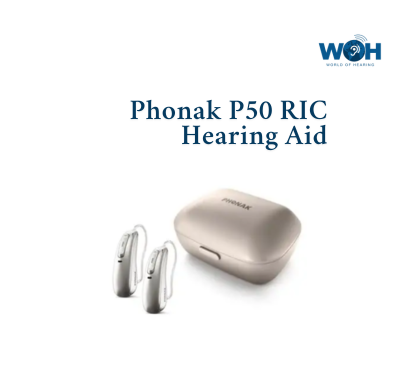
Hearing is essential for everyday communication, whether it is talking with family, attending meetings, or engaging in social interactions. When hearing becomes unclear, even simple conversations can start feeling tiring and stressful. Many individuals do not immediately notice hearing loss because it usually develops gradually. Early signs often include: Over time, untreated hearing loss can affect confidence, relationships, and overall quality of life. Modern hearing technology has significantly improved over the years, making hearing aids smaller, smarter, and more comfortable. One such advanced solution is the Phonak P50 RIC hearing aid, designed to support clearer speech understanding and better listening comfort in daily life. RIC (Receiver-in-Canal) hearing aids are among the most widely used modern hearing devices because they offer a balance of clarity, comfort, and discreet design. This guide explains the Phonak P50 RIC hearing aid, its features, benefits, suitability, and why professional hearing evaluation is important before choosing any hearing solution. Understanding Hearing Loss Hearing loss can occur due to several reasons such as: In many cases, hearing loss develops slowly, making it difficult to notice in the early stages. Early Signs of Hearing Difficulty Some common warning signs include: Recognising these signs early helps in timely hearing support. What Is Phonak P50 RIC Hearing Aid? The Phonak P50 RIC hearing aid is a digital hearing device that uses Receiver-in-Canal (RIC) technology. In this design: This structure helps deliver: Why RIC Hearing Aids Are Popular RIC hearing aids are widely preferred because they offer: 1. Natural Sound Experience The design allows sound to enter the ear more naturally. 2. Lightweight Comfort Less pressure inside the ear canal improves comfort. 3. Better Speech Clarity Helps in understanding conversations more clearly. 4. Discreet Appearance The device remains less visible during use. Key Features of Phonak P50 RIC Hearing Aid 1. Digital Sound Processing Helps improve speech understanding in different environments. 2. Noise Reduction Technology Reduces background noise for clearer conversations. 3. Automatic Environment Adjustment Adjusts sound settings based on surroundings. 4. Bluetooth Connectivity Allows connection with smartphones, TVs, and other devices. 5. Rechargeable Options (in selected models) Some versions support rechargeable batteries for convenience. How Phonak P50 Improves Hearing Experience Modern Phonak technology focuses on improving communication rather than just amplifying sound. It helps: Who Can Benefit from Phonak P50 RIC Hearing Aid? This hearing aid may be suitable for individuals with: However, suitability must always be confirmed through hearing evaluation. Importance of Hearing Assessment A proper hearing test is essential before selecting any hearing aid. Evaluation helps identify: Without assessment, even advanced devices may not perform effectively. Emotional Impact of Hearing Loss Hearing difficulties may affect emotional wellbeing in several ways: Early hearing support can help improve communication comfort and confidence. Why Early Hearing Support Matters Delaying hearing care may lead to gradual communication challenges. Early intervention helps: Modern Hearing Technology vs Traditional Devices Traditional hearing aids mainly amplified all sounds equally. Modern devices like Phonak P50 RIC focus on: This results in a more natural listening experience. Importance of Proper Hearing Aid Fitting Even advanced hearing aids require proper fitting and programming. Correct fitting ensures: Regular follow-ups help refine performance. Lifestyle Habits That Support Hearing Health While hearing loss may not always be preventable, some habits may help protect hearing: Why Self-Diagnosis Is Not Enough Hearing issues are often mistaken for normal ageing. However, causes may include: Proper diagnosis is important for correct treatment. Importance of Specialist Consultation Professional hearing evaluation ensures correct device selection and programming. It helps with: Many individuals prefer consulting an Audiologist in Pune for detailed hearing assessment and personalised hearing solutions. Understanding Modern Hearing Care Clinics Modern hearing care focuses on improving communication and lifestyle quality, not just amplification. People often explore services like a Hearing Aid Clinic in Pune to understand digital hearing aids, RIC technology, and modern hearing support solutions. How to Choose the Right Hearing Aid Choosing the right hearing aid depends on: There is no single best device for everyone. Modern Awareness Around Hearing Health Awareness about hearing care is increasing. More individuals now understand the importance of early diagnosis and timely hearing support. Modern hearing care focuses on: Conclusion The Phonak P50 RIC hearing aid is a modern hearing solution designed to provide clearer speech understanding, comfortable wearing experience, and advanced digital sound processing. Its RIC design makes it discreet, lightweight, and suitable for daily communication needs. However, the effectiveness of any hearing aid depends on proper hearing evaluation, accurate fitting, and continuous professional support. Instead of ignoring early signs of hearing difficulty, timely consultation and personalized hearing care can significantly improve communication comfort and overall quality of life. FAQs 1. What does RIC mean in hearing aids? RIC stands for Receiver-in-Canal, where the speaker is placed inside the ear canal for clearer sound. 2. Is Phonak P50 suitable for daily use? Yes, it is designed for comfortable everyday use depending on hearing needs and fitting. 3. Do Phonak RIC hearing aids work in noisy places? Yes, modern digital processing helps improve speech clarity in noisy environments.
Struggling to Hear TV at Normal Volume: Early Hearing Loss Signs
Television is part of daily life in most households. Whether it is news, entertainment, or conversations in family time, clear hearing helps people stay connected and engaged. But when you start struggling to hear TV at normal volume, it may not just be a minor inconvenience—it can be an early sign of hearing changes. Many individuals first notice hearing difficulty in simple situations like watching television, talking on phone calls, or following group conversations. Because these changes develop slowly, they are often ignored or adjusted silently. Over time, this can lead to communication gaps, frustration, and reduced confidence in social situations. Understanding early hearing loss signs can help you take timely action and prevent further communication difficulties. Why TV Hearing Difficulty Happens Struggling to hear TV at normal volume can occur due to multiple reasons. It is not always related to ageing alone. Some common causes include: In many cases, the issue begins gradually, making it easy to adapt without realising the change in hearing ability. Early Signs That Should Not Be Ignored Difficulty hearing television is often one of the first noticeable signs of hearing decline. Other early symptoms include: These signs may appear mild initially but often progress over time. Why TV Dialogue Becomes Difficult to Understand Many people assume the issue is with the TV itself, but often it is related to speech clarity perception. This happens because: As a result, speech may sound like noise rather than clear words. Relationship Between TV Volume and Hearing Loss Increasing TV volume frequently is one of the most common early indicators of hearing difficulty. You may notice: This adjustment often happens gradually and unnoticed. When Hearing Changes Start Affecting Daily Life Hearing issues do not remain limited to TV alone. Over time, they may affect: This can gradually lead to communication fatigue and reduced confidence. Emotional Impact of Hearing Difficulty Struggling to hear clearly can affect emotional wellbeing. Some common experiences include: These emotional changes are often overlooked but are important warning signs. Why Early Hearing Evaluation Matters Early detection of hearing changes helps in better management. A hearing evaluation can identify: Timely testing can prevent further communication decline. Common Misconceptions About TV Hearing Problems “It’s just the TV settings” While TV settings can affect sound, consistent difficulty hearing speech often indicates hearing-related changes. “Only elderly people face this issue” Hearing loss can affect adults of different age groups due to noise exposure or medical conditions. “It will improve on its own” Most progressive hearing changes do not improve without proper evaluation. Lifestyle Factors That May Affect Hearing Certain daily habits may contribute to hearing decline over time: Protecting hearing early is important for long-term communication health. When You Should Seek Help You should consider a hearing check if: Early consultation helps in timely management. Importance of Professional Hearing Assessment A hearing test is simple, painless, and highly informative. It helps determine: Many individuals benefit from consulting an Audiologist in Pune for structured hearing evaluation and personalised guidance. Modern Hearing Care Approach Today’s hearing care focuses not only on devices but also on improving communication quality and lifestyle comfort. People often explore services like a Hearing Aid Clinic in Pune to understand digital hearing solutions, hearing evaluation, and modern hearing support options. How Hearing Aids Can Help in TV Listening Modern hearing aids are designed to improve speech clarity rather than just increase volume. They help by: This makes TV watching more natural and comfortable. Prevention and Hearing Care Tips While not all hearing loss can be prevented, some habits may help: Small changes can support long-term hearing health. Why Ignoring Early Signs Can Be Risky Delaying hearing care may lead to: Early action is always more effective than late correction. Conclusion Struggling to hear TV at normal volume is often more than just a minor inconvenience—it can be an early sign of hearing changes. When combined with other symptoms like unclear speech, frequent repetition, or difficulty in noisy environments, it becomes important to take it seriously. Timely hearing evaluation, proper diagnosis, and professional guidance can help improve communication clarity and prevent further decline. Instead of adjusting silently, seeking early support can make everyday listening more comfortable and confident. FAQs 1. Is increasing TV volume a sign of hearing loss? Yes, frequently increasing TV volume can be an early indicator of hearing difficulty. 2. Can hearing loss affect understanding TV dialogue? Yes, especially speech clarity and high-frequency sounds can become difficult to understand. 3. When should I get a hearing test? If TV listening or conversations feel unclear regularly, a hearing evaluation is recommended.
Best Rechargeable Hearing Aids: Features, Benefits & Buying Guide
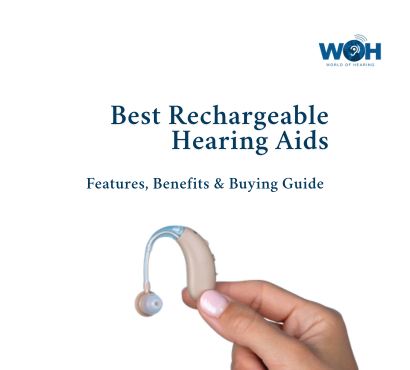
Hearing difficulties can slowly affect communication, confidence, social interaction, and overall quality of life. Many people initially ignore small hearing changes such as increasing TV volume, missing conversations in crowded places, or frequently asking others to repeat themselves. Over time, untreated hearing problems may begin affecting work performance, relationships, emotional wellbeing, and daily comfort. Fortunately, hearing aid technology has improved significantly in recent years. Modern hearing aids are now smaller, smarter, more comfortable, and easier to manage than older traditional devices. Among the most preferred options today are rechargeable hearing aids. Rechargeable hearing aids have become increasingly popular because they eliminate the need for constantly replacing tiny disposable batteries. They also provide greater convenience for elderly individuals, working professionals, and users with active lifestyles. Today’s rechargeable hearing aids may include features such as: Choosing the right hearing aid, however, depends on several factors including hearing condition, comfort preferences, daily lifestyle, age, dexterity, and listening needs. This detailed guide explains rechargeable hearing aids, their advantages, features, who may benefit from them, important buying considerations, hearing health awareness, and when professional hearing evaluation becomes important. What Are Rechargeable Hearing Aids? Rechargeable hearing aids are hearing devices powered by built-in rechargeable batteries instead of disposable cells. Users typically place the hearing aids into a charging unit overnight, similar to charging a smartphone. The devices are then ready for use the next day. Why Rechargeable Hearing Aids Are Becoming Popular Traditional hearing aid batteries may be difficult for some individuals to manage regularly. Rechargeable technology offers greater convenience because users do not need to: This is especially helpful for elderly individuals or people with hand movement difficulty. Common Features in Modern Rechargeable Hearing Aids Modern hearing devices include several advanced features designed to improve listening comfort. 1. Wireless Connectivity Many hearing aids now connect wirelessly to smartphones and compatible devices. This may help users manage: 2. Noise Reduction Technology Advanced sound processing may help reduce background noise in busy environments. This supports clearer conversation understanding in places such as: 3. Rechargeable Battery Convenience One of the biggest advantages is simplified daily use. Most users simply charge the device overnight. 4. Compact and Comfortable Designs Modern hearing aids are increasingly designed to feel discreet and lightweight. 5. Speech Clarity Support Digital sound processing helps improve speech understanding in many listening situations. Who May Benefit from Rechargeable Hearing Aids? Rechargeable hearing aids may be helpful for: However, device suitability varies from person to person. Signs That Hearing Evaluation May Be Needed Many people delay hearing testing because hearing loss usually develops gradually. Common warning signs include: Early hearing evaluation helps support better hearing management. Why Untreated Hearing Problems Should Not Be Ignored Untreated hearing difficulties may gradually affect: Some individuals begin avoiding conversations because hearing becomes stressful. Understanding Different Hearing Aid Styles Rechargeable hearing aids are available in multiple designs. Common styles include: The best option depends on hearing needs and comfort preferences. Importance of Proper Hearing Aid Fitting Even advanced hearing aids may not perform effectively if fitting and programming are inappropriate. Professional hearing aid fitting helps optimise: Individuals trying to better understand hearing wellness and modern hearing support options often explore educational guidance related to Speech & Hearing Aid Care to learn more about hearing loss awareness, hearing device maintenance, and communication-focused hearing support strategies. Rechargeable Hearing Aids vs Disposable Battery Devices Both types have advantages depending on user preference. Rechargeable Hearing Aids May offer: Disposable Battery Hearing Aids May still be preferred by some users who: Selection depends on individual lifestyle and comfort. Battery Backup and Charging Awareness Battery performance varies depending on: Most modern rechargeable hearing aids are designed for full-day use after charging. Common Concerns About Hearing Aids Many people hesitate to use hearing aids because of misconceptions. Common worries include: Modern hearing aids are significantly smaller and more comfortable than older devices. Emotional Impact of Hearing Loss Hearing difficulties may affect emotional health more than many people realise. People experiencing hearing challenges often struggle with: Early hearing support may improve communication comfort and quality of life. Why Self-Diagnosis Is Not Enough Many individuals assume hearing changes are “normal ageing” and delay evaluation. However, hearing problems may have different causes including: Proper hearing testing helps determine the most appropriate support strategy. Understanding Smart Hearing Aid Technology Modern hearing devices increasingly include smart technology features such as: Technology selection depends on individual hearing requirements and lifestyle habits. Lifestyle Habits That Support Hearing Wellness Although not all hearing loss is preventable, certain habits may support hearing protection. Helpful measures include: Consistent hearing care is important for long-term auditory wellness. Why Professional Hearing Evaluation Matters Successful hearing aid selection depends on: Individuals seeking personalised hearing assessment often explore guidance from an Audiologist in Pune to better understand hearing loss patterns, hearing aid suitability, and customised listening support solutions. Understanding Modern Hearing Aid Support Today, hearing technology has become far more advanced, comfortable, and user-friendly than in the past. Modern hearing care increasingly focuses on improving communication confidence, listening comfort, and long-term hearing wellness instead of simply amplifying sound. People researching advanced hearing solutions often explore information regarding a Hearing Aid Clinic in Pune while learning about digital hearing aid technology, rechargeable hearing devices, and personalised hearing support options. How to Choose the Right Rechargeable Hearing Aid Choosing the right hearing aid depends on multiple factors. Important considerations include: There is no single hearing aid suitable for everyone. Modern Awareness Around Hearing Health Awareness regarding hearing wellness has improved significantly in recent years. More individuals now understand the importance of early hearing testing, communication support, and hearing aid adaptation instead of delaying treatment until communication becomes severely affected. Modern hearing care increasingly focuses on: Conclusion Rechargeable hearing aids have transformed modern hearing care by offering greater convenience, comfort, smart connectivity, and easier day-to-day management. For many users, they provide a practical and user-friendly solution for improving hearing support and communication confidence. However, selecting the right hearing aid depends on accurate hearing evaluation, lifestyle assessment,
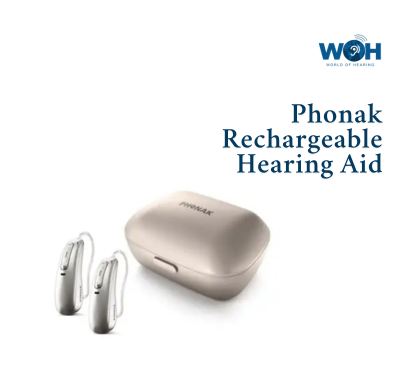
Phonak Rechargeable Hearing Aid: Features, Benefits & Guide
Hearing is a vital part of everyday communication. From family conversations to workplace discussions, clear hearing helps maintain confidence, relationships, and overall quality of life. When hearing starts to decline, many people initially adjust by increasing volume levels or asking others to repeat themselves. However, hearing loss is often gradual, and these small adjustments may hide the real progression of the problem. Today, hearing technology has evolved significantly, making devices more comfortable, smarter, and easier to use. One of the most widely preferred innovations in modern hearing care is the Phonak rechargeable hearing aid. Rechargeable hearing aids have become increasingly popular because they remove the hassle of replacing tiny batteries frequently. They are designed for convenience, ease of use, and long-term reliability. Modern Phonak hearing solutions focus on: This guide explains Phonak rechargeable hearing aid features, benefits, suitability, hearing awareness, and important factors to consider before choosing a hearing device. Understanding Hearing Loss Hearing loss may develop due to multiple reasons such as: In many cases, hearing loss progresses slowly, making it difficult to notice in the beginning. Early Signs of Hearing Difficulty Some common warning signs include: Recognising these signs early is important for timely hearing support. What Is Phonak Rechargeable Hearing Aid? The Phonak rechargeable hearing aid is a modern digital hearing device designed with built-in rechargeable batteries instead of disposable ones. Users can simply place the device in a charging unit, usually overnight, making it ready for full-day use. These devices combine: Why Rechargeable Hearing Aids Are Popular Rechargeable hearing devices are widely preferred because they offer: 1. Easy Daily Use No need to handle or replace small batteries regularly. 2. Convenience for Elderly Users Simple charging reduces handling difficulty. 3. Reliable Performance Consistent power supply for daily hearing support. 4. Environment-Friendly Approach Reduces battery waste over time. Key Features of Phonak Rechargeable Hearing Aid 1. Advanced Digital Sound Processing Helps improve speech clarity in different environments. 2. Smart Noise Reduction Reduces unwanted background noise during conversations. 3. Rechargeable Battery System Supports full-day usage after overnight charging. 4. Bluetooth Connectivity Allows connection with smartphones, TVs, and other devices. 5. Comfortable Design Lightweight and ergonomically designed for long-hour wear. How Phonak Technology Improves Hearing Modern Phonak hearing devices are designed to: This helps users experience more natural hearing. Who Can Benefit from Phonak Rechargeable Hearing Aid? These hearing aids may be suitable for individuals with: However, suitability should always be confirmed through professional evaluation. Importance of Hearing Evaluation Choosing a hearing aid without proper testing may not deliver the desired results. A hearing assessment helps determine: Proper evaluation ensures better long-term hearing outcomes. Emotional Impact of Hearing Loss Hearing difficulties can affect emotional wellbeing in many ways. People may experience: Early hearing support can improve overall communication comfort. Why Early Hearing Support Matters Delaying hearing care may lead to gradual communication challenges. Early intervention helps: Modern Hearing Technology vs Traditional Devices Traditional hearing aids mainly focused on sound amplification. Modern devices like Phonak rechargeable hearing aids focus on: This improves natural communication experience. Importance of Proper Hearing Aid Fitting Even advanced hearing aids require correct fitting and programming. Proper fitting helps ensure: Regular follow-ups improve long-term results. Lifestyle Habits That Support Hearing Health While not all hearing loss can be prevented, healthy habits may help protect hearing: Why Self-Diagnosis Is Not Enough Many individuals assume hearing loss is only age-related, but causes may vary. Hearing issues may also be due to: Proper diagnosis is essential. Importance of Specialist Consultation Hearing aid success depends on professional evaluation and fitting. Consultation helps with: Many individuals seek guidance from an Audiologist in Pune for structured hearing evaluation and personalised hearing solutions. Understanding Modern Hearing Care Clinics Modern hearing care focuses on communication improvement and lifestyle support, not just devices. People often explore services like a Hearing Aid Clinic in Pune to understand digital hearing aids, rechargeable systems, and personalized hearing solutions. How to Choose the Right Hearing Aid Choosing a hearing aid depends on: There is no one universal solution for everyone. Modern Awareness Around Hearing Health Awareness about hearing care is improving in India. More individuals now understand the importance of early diagnosis and timely hearing support instead of delaying treatment. Modern hearing care focuses on: Conclusion Phonak rechargeable hearing aids represent modern hearing technology designed for comfort, clarity, and convenience. With features like rechargeable batteries, digital sound processing, and wireless connectivity, they support improved communication in daily life. However, the effectiveness of any hearing aid depends on proper hearing evaluation, correct fitting, and ongoing professional support. Instead of ignoring early signs of hearing difficulty, timely consultation and personalized hearing care can significantly improve communication comfort and overall quality of life. FAQs 1. How long does a Phonak rechargeable hearing aid battery last? Most devices are designed to last a full day after a single overnight charge, depending on usage. 2. Are rechargeable hearing aids better than battery ones? They offer greater convenience and ease of use, especially for daily handling. 3. Can Phonak hearing aids connect to smartphones? Yes, many models support Bluetooth connectivity for calls, streaming, and app controls.
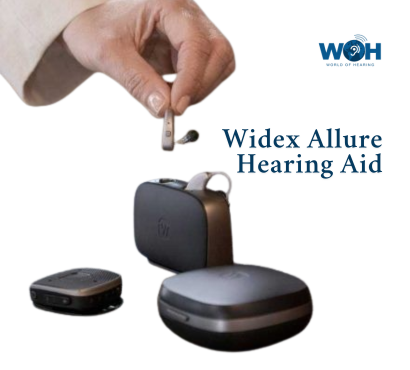
Widex Allure Hearing Aid: Smart Sound & Natural Listening Guide
Hearing plays a central role in everyday life—whether it is talking to family, attending meetings, watching television, or simply enjoying conversations in social settings. When hearing starts becoming unclear, even simple situations may begin to feel tiring and frustrating. Many people do not notice hearing changes immediately because they develop slowly over time. Some common early signs include: These symptoms are often ignored in the beginning, but over time they may impact communication confidence, relationships, and daily comfort. Modern hearing technology has evolved significantly, focusing not only on amplification but also on delivering more natural and comfortable listening experiences. One such advanced solution in modern hearing care is the Widex Allure hearing aid, designed with a strong focus on sound clarity, natural hearing perception, and user comfort. Unlike older hearing devices that often made sound feel artificial or overly amplified, modern hearing aids aim to recreate a more natural listening environment. This guide explains Widex Allure hearing aid technology, features, benefits, suitability, hearing awareness, and why professional evaluation is essential before choosing any hearing solution. Understanding Hearing Loss in Daily Life Hearing loss is usually gradual and may not be noticeable in the early stages. Many individuals adjust unconsciously by lip-reading, increasing volume, or avoiding noisy environments. Common causes of hearing loss include: Because hearing loss progresses slowly, people often delay seeking help. Common Signs You Should Not Ignore Early hearing changes may appear subtle but become more noticeable over time. Watch for: Recognising these early signs can help prevent long-term communication challenges. What Is Widex Allure Hearing Aid? The Widex Allure hearing aid is a modern digital hearing solution designed to support clearer, more natural sound perception. It focuses on improving speech understanding while maintaining a balanced listening experience across different environments. Modern hearing devices like this are designed with: The goal is to make hearing feel more natural rather than overly processed. Key Features of Widex Allure Hearing Aid 1. Natural Sound Processing One of the main highlights of Widex hearing technology is its focus on preserving natural sound quality. This may help users feel: 2. Adaptive Listening Technology Modern hearing devices automatically adjust sound based on surroundings such as: 3. Noise Management Support Background noise can make conversations difficult. Advanced processing helps improve speech clarity in such situations. 4. Comfortable Daily Wear Widex Allure hearing aid designs focus on: 5. Wireless Connectivity Options Many modern hearing devices may support: Why Natural Sound Matters in Hearing Aids Many users complain that older hearing aids make sound feel “mechanical” or unnatural. Modern hearing technology focuses on: Natural sound perception helps users adjust more easily to hearing devices. Who Can Benefit from Widex Allure Hearing Aid? This type of hearing aid may be suitable for individuals with: However, suitability depends on professional hearing evaluation. Importance of Proper Hearing Assessment Hearing aid selection should never be based only on brand or appearance. A complete hearing test helps determine: Without proper evaluation, even advanced devices may not deliver optimal results. Emotional Impact of Hearing Difficulties Hearing loss affects more than just sound perception. It can also influence emotional wellbeing. Many individuals experience: Early support may improve overall quality of life significantly. Why Early Hearing Care Matters Delaying hearing support may lead to gradual communication challenges. Early intervention helps: Timely evaluation is always recommended. Modern Hearing Technology vs Traditional Devices Older hearing aids mainly focused on amplifying sound. Modern hearing aids like Widex Allure focus on: This makes communication more comfortable and realistic. Importance of Professional Hearing Aid Fitting Even the most advanced hearing aid requires correct fitting and programming. Proper fitting ensures: Regular follow-ups help fine-tune performance. Lifestyle Habits That Support Hearing Health Although not all hearing loss is preventable, some habits may help protect hearing: Consistency supports long-term hearing wellness. Why Self-Diagnosis Can Be Misleading Many individuals assume hearing loss is simply age-related and delay evaluation. However, hearing issues may also result from: Proper diagnosis is essential for correct treatment. Importance of Specialist Consultation A hearing aid works best when it is selected and programmed correctly. Professional hearing assessment helps with: Many individuals prefer consulting an Audiologist in Pune for structured hearing evaluation and personalized hearing solutions. Understanding Modern Hearing Care Clinics Today’s hearing care is not only about devices but also about improving communication quality and lifestyle comfort. People often explore services like a Hearing Aid Clinic in Pune to understand modern hearing solutions, digital hearing technology, and customized hearing support. How to Choose the Right Hearing Aid Choosing a hearing aid involves multiple factors: There is no single “best” hearing aid for everyone. Modern Awareness Around Hearing Health Awareness about hearing health is improving. More people now understand the importance of early hearing checks and timely hearing support instead of delaying treatment. Modern hearing care focuses on: Conclusion Widex Allure hearing aid represents modern hearing technology focused on delivering natural sound, comfort, and improved speech clarity. It reflects how hearing solutions have evolved beyond simple amplification toward more intelligent and user-friendly listening experiences. However, the effectiveness of any hearing aid depends on proper evaluation, correct fitting, and personalized adjustment based on individual hearing needs. Instead of ignoring early signs of hearing difficulty, timely assessment and professional guidance can significantly improve communication comfort and overall quality of life. FAQs 1. What makes Widex Allure hearing aid different? It focuses on natural sound processing and speech clarity with modern adaptive hearing technology. 2. Is Widex Allure suitable for daily use? Yes, it is designed for comfortable long-hour daily use depending on fitting and hearing needs. 3. Do hearing aids help in noisy environments? Modern hearing aids include noise management features that may improve speech clarity in crowded places.
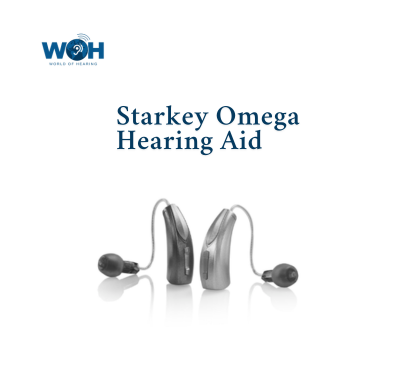
Starkey Omega Hearing Aid: Smart Hearing Technology Explained
Hearing difficulties can gradually affect communication, confidence, social interaction, and emotional wellbeing without people fully realising how much their daily life is changing. In many cases, hearing problems develop slowly over time, making them easy to overlook initially. Many individuals first notice subtle changes such as: Over time, untreated hearing challenges may begin affecting work performance, family interaction, relationships, and social participation. Fortunately, hearing technology has improved significantly in recent years. Modern hearing aids are no longer bulky or uncomfortable devices. Today’s hearing solutions are increasingly designed to provide: Among the hearing devices discussed in modern hearing care, the Starkey Omega hearing aid is associated with advanced digital hearing support and user-focused technology. Modern hearing devices increasingly focus not only on amplifying sound but also on improving communication comfort, listening confidence, and hearing wellness. This detailed guide explains the Starkey Omega hearing aid, modern hearing aid technology, hearing awareness, hearing support benefits, and the importance of professional hearing evaluation before selecting a hearing device. Understanding Hearing Loss Hearing loss may occur gradually or develop due to several factors including: Many individuals continue delaying hearing evaluation because symptoms often progress slowly and painlessly. Common Signs of Hearing Difficulty Some warning signs that deserve attention include: Early hearing evaluation may support better communication and hearing management. What Is the Starkey Omega Hearing Aid? The Starkey Omega hearing aid refers to a modern digital hearing device designed to support hearing clarity, listening comfort, and improved communication experiences. Modern hearing devices increasingly combine: Technology selection, however, depends on individual hearing needs and professional assessment. Features Commonly Associated with Modern Hearing Devices Digital Sound Processing Modern hearing aids process sounds digitally to improve speech understanding and listening comfort. Noise Reduction Support Advanced hearing systems may help reduce background noise during conversations. Rechargeable Technology Rechargeable hearing aids reduce the need for frequent battery replacement and simplify daily use. Wireless Connectivity Many hearing devices now support: Comfortable and Compact Design Modern hearing aids increasingly focus on lightweight comfort and discreet appearance. Why Modern Hearing Technology Matters Older hearing aids often amplified all surrounding sounds equally, which sometimes created uncomfortable listening experiences. Today’s digital hearing technology increasingly focuses on: This helps create more natural communication experiences. Why Proper Hearing Evaluation Is Important Choosing a hearing aid without professional evaluation may lead to unsatisfactory results. Hearing assessment helps identify: Professional guidance supports better long-term hearing outcomes. Emotional Impact of Hearing Problems Hearing difficulties may affect emotional wellbeing more than many people realise. Some individuals experience: Communication difficulties may gradually affect both personal and professional life. Importance of Early Hearing Support Many people delay hearing care until communication becomes severely difficult. Early intervention may support: Seeking timely hearing evaluation is important. Common Myths About Hearing Aids “Hearing aids are only for elderly people” Hearing loss may affect adults across different age groups. “Modern hearing aids are bulky” Today’s hearing devices are often lightweight, discreet, and technologically advanced. “Hearing aids completely restore hearing” Hearing aids support hearing improvement but do not permanently cure hearing loss. Individuals trying to understand hearing wellness and modern hearing support options often explore educational guidance related to Speech & Hearing Aid Care to learn more about hearing loss awareness, hearing aid adaptation, and communication-focused hearing care strategies. Rechargeable Hearing Aids and Daily Convenience Rechargeable hearing technology has become increasingly popular because it simplifies daily maintenance. Benefits may include: Many users find rechargeable systems more practical for long-term use. Importance of Hearing Aid Comfort Comfort plays a major role in successful hearing aid adaptation. A device that feels uncomfortable may reduce consistent usage. Comfort depends on: Professional fitting adjustments may improve comfort significantly. Why Professional Hearing Aid Fitting Matters Even advanced hearing devices require proper programming and fitting. Professional fitting helps optimise: Regular follow-up care may improve long-term satisfaction. Smart Features in Modern Hearing Devices Today’s premium hearing technology may include: Technology selection depends on hearing goals and daily lifestyle. Lifestyle Habits That Support Hearing Wellness Although not every hearing condition is preventable, certain habits may support hearing health. Helpful measures include: Consistency supports long-term hearing protection. Why Self-Diagnosis Is Not Enough Many individuals assume hearing changes are simply part of ageing and continue delaying assessment. However, hearing difficulties may sometimes occur due to: Proper hearing testing helps identify the actual cause accurately. Importance of Specialist Consultation Successful hearing aid selection depends on: Individuals seeking personalised hearing evaluation often explore guidance from an Audiologist in Pune to better understand hearing loss patterns, hearing aid suitability, and customised listening support planning. Understanding Modern Hearing Care Clinics Modern hearing care increasingly focuses on communication confidence, listening comfort, hearing rehabilitation, and long-term hearing wellness instead of simple sound amplification alone. People researching advanced hearing solutions often explore information regarding a Hearing Aid Clinic in Pune while learning about digital hearing aids, rechargeable hearing technology, and personalised hearing support options. How to Choose the Right Hearing Aid Choosing the right hearing aid involves balancing several important factors including: There is no single hearing aid ideal for everyone. Professional evaluation helps identify the most suitable option. Modern Awareness Around Hearing Wellness Awareness regarding hearing health has improved significantly in recent years. More individuals now understand the importance of early hearing support, personalised hearing solutions, and communication-focused rehabilitation instead of delaying care because of stigma or misconceptions. Modern hearing care increasingly focuses on: The Starkey Omega hearing aid reflects the evolution of modern hearing care toward smarter, more comfortable, and communication-focused hearing support solutions. Advanced digital sound processing, rechargeable convenience, compact designs, and smart connectivity have transformed hearing devices into practical lifestyle-friendly solutions for many users. However, successful hearing support depends not only on technology but also on proper hearing evaluation, personalised fitting, listening needs assessment, and long-term professional guidance. Instead of ignoring hearing difficulties or depending only on temporary coping methods, individuals should prioritise timely hearing assessment and personalised hearing care before communication challenges begin affecting overall quality of life. 1. Are modern hearing aids comfortable for daily use? FAQs Many
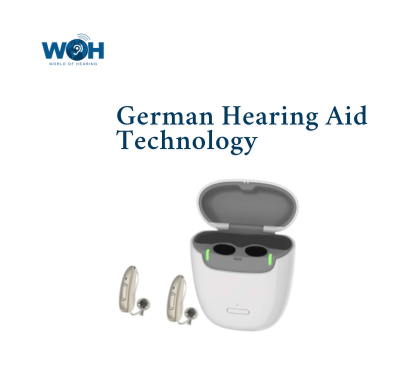
German Hearing Aid Technology: Smart Features & Hearing Support
Hearing plays an important role in daily communication, emotional wellbeing, workplace interaction, and social confidence. Yet hearing difficulties are often ignored in the beginning because the changes usually happen gradually over time. Many individuals first notice subtle signs such as: Over time, untreated hearing problems may begin affecting confidence, relationships, productivity, and overall quality of life. Fortunately, hearing technology has improved significantly in recent years. Modern hearing devices are now smaller, smarter, more comfortable, and designed to support more natural listening experiences. Among the hearing technologies widely recognised for engineering precision and advanced sound processing are German hearing aids. German hearing aid technology is often associated with: Today’s hearing devices increasingly focus not only on amplifying sound but also on improving listening comfort, communication quality, and long-term hearing wellness. This detailed guide explains German hearing aid technology, hearing awareness, smart hearing features, hearing aid selection, and why professional hearing assessment remains important before choosing a hearing device. Understanding Hearing Loss Hearing loss can develop due to several reasons including: In India, many people continue delaying hearing evaluation because symptoms often progress slowly and painlessly. Common Signs of Hearing Difficulty Some important hearing warning signs include: Early hearing assessment may help improve communication support and listening comfort. What Makes German Hearing Aid Technology Popular? German hearing technology is commonly associated with precision engineering and advanced sound processing systems. Modern German hearing aids often focus on: However, hearing aid suitability depends on individual hearing needs rather than brand origin alone. Modern Features in German Hearing Aids Today’s hearing technology includes several advanced features designed to support daily communication. Digital Sound Processing Modern hearing devices process sound digitally to improve listening clarity in different environments. Noise Reduction Technology Advanced sound systems may help reduce unwanted background noise while focusing on speech understanding. Rechargeable Options Rechargeable hearing aids reduce the need for frequent battery replacement. Wireless Connectivity Many hearing devices now support: Compact and Comfortable Designs Modern hearing aids increasingly focus on discreet appearance and long-hour comfort. Why Modern Hearing Technology Matters Older hearing aids often amplified all sounds equally, which sometimes made listening uncomfortable in noisy environments. Modern digital hearing technology increasingly focuses on: This helps create a more natural hearing experience. Importance of Proper Hearing Evaluation Many people search online for hearing devices without understanding their actual hearing condition. Professional hearing assessment helps identify: Proper evaluation helps guide better hearing aid selection. Emotional Impact of Hearing Problems Hearing difficulties often affect emotional wellbeing more than people realise. Some individuals experience: Untreated hearing loss may gradually affect both personal and professional life. Why Early Hearing Support Matters Many people delay hearing care until communication becomes severely difficult. Early hearing support may help improve: Seeking timely evaluation may support better long-term hearing management. Common Misconceptions About Hearing Aids “Hearing aids are only for elderly people” Hearing difficulties may affect adults of different age groups. “Modern hearing aids are bulky” Today’s hearing devices are often compact, lightweight, and discreet. “Hearing aids restore normal hearing completely” Hearing aids support hearing improvement but do not permanently cure hearing loss. Individuals trying to understand hearing wellness and modern hearing support options often explore educational guidance related to Speech & Hearing Aid Care to learn more about hearing loss awareness, hearing aid adaptation, and communication-focused hearing care strategies. Rechargeable Hearing Aids and Daily Convenience Rechargeable hearing technology has become increasingly popular because it simplifies hearing aid maintenance. Benefits may include: Many users find rechargeable systems more practical for long-term use. Invisible and Discreet Hearing Aid Designs Modern hearing technology increasingly focuses on discreet appearance. Small hearing devices may help users feel more comfortable during: Improved cosmetic design has increased hearing aid acceptance among younger adults and professionals. Importance of Professional Hearing Aid Fitting Even advanced hearing devices require proper fitting and programming. Professional fitting helps optimise: Regular follow-up care may further improve long-term hearing satisfaction. Lifestyle Habits That Support Better Hearing Health Although not all hearing conditions are preventable, certain habits may support long-term hearing wellness. Helpful measures include: Consistency supports hearing protection over time. Why Self-Diagnosis Is Not Enough Many individuals assume hearing difficulties are simply due to ageing and continue delaying evaluation. However, hearing changes may sometimes occur due to: Professional hearing testing helps identify the actual cause accurately. Smart Features in Modern Hearing Devices Today’s advanced hearing devices may include: Technology selection depends on individual communication needs and lifestyle. Importance of Specialist Consultation Successful hearing aid selection depends on: Individuals seeking personalised hearing evaluation often explore guidance from an Audiologist in Pune to better understand hearing loss patterns, hearing aid suitability, and customised listening support planning. Understanding Modern Hearing Care Clinics Modern hearing care increasingly focuses on communication confidence, listening comfort, hearing rehabilitation, and long-term hearing wellness instead of simple sound amplification alone. People researching advanced hearing technology often explore information regarding a Hearing Aid Clinic in Pune while learning about digital hearing aids, rechargeable hearing technology, and personalised hearing support options. How to Choose the Right Hearing Aid Choosing the right hearing aid involves balancing several factors including: There is no single hearing aid ideal for everyone. Professional evaluation helps identify the most appropriate option. Modern Awareness Around Hearing Wellness Awareness regarding hearing health has improved significantly in recent years. More individuals now understand the importance of early hearing support, personalised hearing solutions, and communication-focused rehabilitation instead of delaying care because of misconceptions or appearance concerns. Modern hearing care increasingly focuses on: German hearing aid technology reflects the modern evolution of hearing care toward smarter, more comfortable, and communication-focused hearing support solutions. Advanced sound processing, rechargeable convenience, discreet designs, and smart connectivity features have transformed how people approach hearing assistance today. However, successful hearing support depends not only on technology but also on proper hearing evaluation, personalised fitting, communication needs assessment, and long-term professional guidance. Instead of ignoring hearing difficulties or depending only on temporary coping methods, individuals should prioritise timely hearing assessment and personalised hearing care before communication challenges begin affecting overall quality
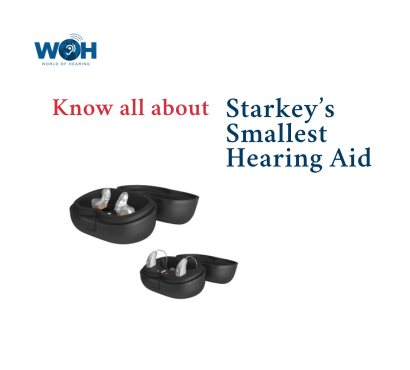
Starkey’s Smallest Hearing Aid: Invisible Hearing Technology Explained
Hearing difficulties can gradually affect communication, relationships, work performance, and emotional wellbeing without people fully realising how much daily life is changing. Many individuals initially ignore hearing problems because the symptoms often develop slowly over time. Simple situations such as struggling to follow conversations in crowded places, increasing television volume, or frequently asking others to repeat themselves may seem minor at first. However, these changes may indicate developing hearing loss. Despite recognising hearing challenges, many people delay hearing aid use because of concerns about appearance, comfort, or social confidence. This is why invisible and ultra-compact hearing aids have become increasingly popular. Modern hearing technology has transformed dramatically in recent years. Today’s smallest hearing aids are designed to provide advanced hearing support while remaining highly discreet and comfortable during daily use. Among the popular names in compact hearing technology, Starkey’s smallest hearing aid is widely discussed for its tiny size, smart sound processing, and lifestyle-focused design. Modern invisible hearing devices now focus not only on amplifying sound but also on improving communication comfort, listening clarity, and user confidence in everyday situations. This detailed guide explains Starkey’s smallest hearing aid, invisible hearing technology, modern hearing support features, hearing awareness, and important factors to consider before choosing compact hearing devices. Understanding Hearing Loss in Daily Life Hearing loss does not always occur suddenly. For many individuals, the changes happen gradually over several years. Common situations people notice include: Many people adapt to these changes slowly without recognising how much hearing ability has reduced. Why People Prefer Invisible Hearing Aids One of the biggest reasons people delay hearing support is concern about visibility. Some individuals worry that hearing aids may: Modern invisible hearing aids help address many of these concerns through discreet compact designs. What Is Starkey’s Smallest Hearing Aid? Starkey’s smallest hearing aid refers to ultra-compact hearing devices designed to fit discreetly inside the ear canal while supporting digital hearing enhancement. These devices are created to provide: Modern invisible hearing devices are far more advanced than earlier hearing technologies. Features Commonly Associated with Small Hearing Aids Compact hearing aids today may include several modern features despite their small size. Digital Sound Processing Advanced sound processing helps improve speech understanding in different environments. Noise Reduction Technology Modern hearing devices may help reduce background noise during conversations. Comfortable Custom Fitting Many invisible hearing aids are customised according to ear shape for better comfort and stability. Discreet Appearance One of the major benefits is reduced visibility during everyday use. Smart Connectivity Features Some modern compact hearing devices may support smartphone integration and digital controls depending on the model. Why Proper Hearing Evaluation Matters Choosing a hearing aid based only on appearance is not always ideal. Proper hearing assessment helps determine: Professional evaluation helps identify the most suitable hearing solution. Common Signs That Should Not Be Ignored Many individuals continue delaying hearing assessment even after symptoms begin affecting communication. Important warning signs include: Early hearing evaluation may support better communication outcomes. Emotional Impact of Hearing Difficulties Hearing problems often affect emotional health more than people expect. Some individuals experience: Untreated hearing loss may gradually reduce overall quality of life. Invisible Hearing Aids and Daily Confidence Discreet hearing devices may help users feel more comfortable during: For many users, reduced visibility supports greater confidence during communication. Are Small Hearing Aids Suitable for Everyone? Not always. Suitability depends on several factors including: In some cases, larger hearing devices may provide stronger amplification or additional features. Individuals trying to understand hearing wellness and modern hearing support options often explore educational guidance related to Speech & Hearing Aid Care to learn more about hearing loss awareness, hearing aid adaptation, and communication-focused hearing care strategies. Modern Hearing Technology Has Changed Significantly Older hearing aids often amplified all sounds equally, which sometimes created uncomfortable listening experiences. Modern hearing devices increasingly focus on: Technology today is designed to support more natural communication experiences. Importance of Comfort in Hearing Aid Use Comfort plays an important role in hearing aid adaptation. A hearing device that feels uncomfortable may reduce long-term usage consistency. Proper fitting helps improve: Professional adjustments are often important during the adaptation process. Why Professional Hearing Aid Fitting Is Important Even advanced hearing aids require proper programming and fitting. Professional fitting helps optimise: Regular follow-up support may improve long-term hearing satisfaction. Common Myths About Invisible Hearing Aids “Smaller hearing aids are less powerful” Modern compact hearing devices may still provide advanced digital sound support depending on hearing needs. “Only older adults need hearing aids” Hearing problems may affect adults of different age groups. “Hearing aids restore normal hearing completely” Hearing aids support hearing improvement but do not “cure” hearing loss. Rechargeable Technology in Modern Hearing Devices Some compact hearing devices now include rechargeable options for improved convenience. Rechargeable hearing aids may reduce: This may be especially helpful for elderly users. Lifestyle Habits That Support Better Hearing Health Although not all hearing conditions are preventable, certain habits may support long-term hearing wellness. Helpful measures include: Long-term hearing care remains important. Why Self-Diagnosis Is Not Enough Many individuals assume hearing changes are simply due to ageing and continue delaying assessment. However, hearing difficulties may sometimes occur due to: Proper evaluation helps identify the underlying issue accurately. Importance of Specialist Consultation Successful hearing aid selection depends on: Individuals seeking personalised hearing assessment often explore guidance from an Audiologist in Pune to better understand hearing loss patterns, hearing aid suitability, and customised listening support planning. Understanding Modern Hearing Care Clinics Modern hearing care today focuses on communication comfort, hearing rehabilitation, smart hearing technology, and long-term hearing wellness instead of simple sound amplification alone. People researching advanced hearing support often explore information regarding a Hearing Aid Clinic in Pune while learning about invisible hearing aids, digital hearing technology, and personalised hearing solutions. How to Choose the Right Hearing Aid Choosing the right hearing device depends on balancing: There is no single hearing aid ideal for everyone. Professional evaluation helps guide suitable selection. Modern Awareness Around Hearing Health Awareness
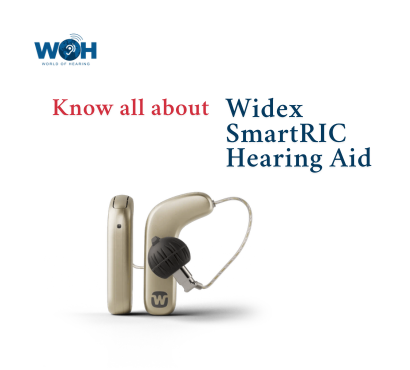
Widex SmartRIC Hearing Aid: Smart Sound & Modern Comfort
Hearing difficulties can affect communication, relationships, workplace confidence, and emotional wellbeing more than many people realise. In the early stages, hearing changes are often subtle. Some individuals increase television volume slightly, struggle during group conversations, or frequently ask people to repeat themselves without understanding that hearing ability may gradually be changing. As hearing challenges progress, social interaction may become tiring and frustrating. Fortunately, hearing technology has improved significantly in recent years. Modern hearing devices are now smarter, smaller, more comfortable, and designed to support natural listening experiences. Among the newer advanced hearing solutions gaining attention today is the Widex SmartRIC hearing aid. The Widex SmartRIC hearing aid is designed with a focus on: Unlike older hearing devices that many people associate with bulky designs and artificial sound, modern digital hearing aids increasingly focus on providing more natural hearing support in different listening environments. For individuals researching advanced hearing solutions, understanding the features, benefits, suitability, and hearing care process is important before choosing a device. This detailed guide explains the Widex SmartRIC hearing aid, its technology, comfort features, rechargeable support, hearing awareness, and the importance of professional hearing evaluation. Understanding Modern Hearing Loss Hearing loss may occur gradually over time or develop due to multiple factors such as: Many individuals delay hearing evaluation because symptoms often progress slowly. Common Signs of Hearing Difficulty Some warning signs include: Early hearing assessment may help improve communication support and listening comfort. What Is the Widex SmartRIC Hearing Aid? The Widex SmartRIC hearing aid is a modern receiver-in-canal (RIC) style hearing device designed to provide advanced sound processing with rechargeable convenience and compact comfort. RIC hearing aids place the speaker component inside the ear canal while the main body rests discreetly behind the ear using a thin wire connection. This design supports: Why RIC Hearing Aids Are Popular Receiver-in-canal hearing aids are commonly preferred because they often provide a balance between: Many users find RIC devices easier to adapt to during daily communication. Key Features Associated with Widex SmartRIC Hearing Aid Modern hearing devices increasingly focus on both hearing support and listening comfort. Rechargeable Technology Rechargeable functionality helps reduce the need for frequent battery replacement. Users generally place the hearing aid into a charging unit overnight for next-day use. Smart Sound Processing Advanced sound technology may help improve speech understanding while reducing unwanted background noise. Wireless Connectivity Many modern hearing devices support smartphone and Bluetooth connectivity for: Lightweight Design Comfort remains an important factor for daily hearing aid use. Compact lightweight designs may support longer wearing comfort. Improved Speech Clarity Speech-focused processing helps users understand conversations more comfortably in different listening situations. Importance of Proper Hearing Aid Selection Not every hearing aid suits every individual. Device selection depends on: Professional hearing evaluation helps identify suitable hearing solutions. Why Modern Hearing Technology Matters Older hearing aids often amplified all sounds equally, making noisy environments uncomfortable. Modern digital hearing aids increasingly focus on: This helps create a more natural listening experience. Signs You Should Not Ignore Many people continue delaying hearing assessment even after noticing repeated communication difficulty. Common signs that deserve attention include: Ignoring symptoms may gradually affect quality of life. Why Untreated Hearing Loss Can Affect Emotional Health Hearing problems may influence emotional wellbeing significantly. People experiencing communication difficulty often report: Early hearing support may improve communication comfort and social participation. Individuals trying to understand hearing wellness and modern hearing support options often explore educational guidance related to Speech & Hearing Aid Care to learn more about hearing aid adaptation, hearing protection, and communication-focused hearing care strategies. Rechargeable Hearing Aids and Daily Convenience Rechargeable hearing devices have become increasingly popular because they reduce daily maintenance stress. Benefits may include: This can improve long-term hearing aid usage consistency. Comfort and Adaptation in Hearing Aid Use Even advanced hearing devices require an adjustment period. Initial adaptation may involve: Patience and professional follow-up support are important during this stage. Importance of Professional Hearing Aid Fitting Proper fitting plays a major role in hearing aid performance. Professional programming helps optimise: Improper fitting may reduce satisfaction even with premium devices. Common Myths About Hearing Aids “Hearing aids are only for elderly people” Hearing difficulties may affect adults of different age groups. “Small hearing devices are weak” Modern compact hearing aids may still provide advanced digital sound processing. “Hearing aids restore hearing completely” Hearing aids support hearing and communication but do not “cure” hearing loss. Smart Features in Modern Hearing Devices Today’s premium hearing devices increasingly include smart technology such as: Technology selection depends on individual hearing goals and daily lifestyle. Lifestyle Habits That Support Better Hearing Health Although not every hearing problem is preventable, healthy habits may support hearing wellness. Helpful measures include: Long-term hearing care remains important. Why Self-Diagnosis Is Not Enough Many individuals assume hearing changes are simply due to ageing and continue delaying evaluation. However, hearing difficulties may sometimes involve: Proper hearing assessment helps identify the underlying cause accurately. Importance of Specialist Consultation Successful hearing aid selection depends on: Individuals seeking personalised hearing evaluation often explore guidance from an Audiologist in Pune to better understand hearing loss patterns, hearing aid suitability, and customised listening support planning. Understanding Modern Hearing Care Clinics Modern hearing care increasingly focuses on communication comfort, lifestyle support, hearing rehabilitation, and long-term hearing wellness instead of simple sound amplification alone. People researching advanced hearing technology often explore information regarding a Hearing Aid Clinic in Pune while learning about rechargeable hearing aids, smart hearing technology, and personalised hearing support options. How to Choose the Right Hearing Aid Choosing a hearing device involves balancing: No single hearing aid is ideal for everyone. Professional evaluation helps guide the most suitable decision. Modern Awareness Around Hearing Health Awareness regarding hearing wellness has improved significantly in recent years. More individuals now understand the importance of early hearing assessment, personalised hearing support, and communication-focused rehabilitation instead of delaying care due to stigma or misconceptions. Modern hearing care increasingly focuses on: The Widex SmartRIC hearing aid reflects how modern hearing